Begin with the day, not the trend
Think about what your day actually asks of an outfit. Will you be sitting, walking, moving between places, or carrying a bag? Start with the shape and amount of room that you enjoy for those activities, then add the details that make getting dressed feel personal.
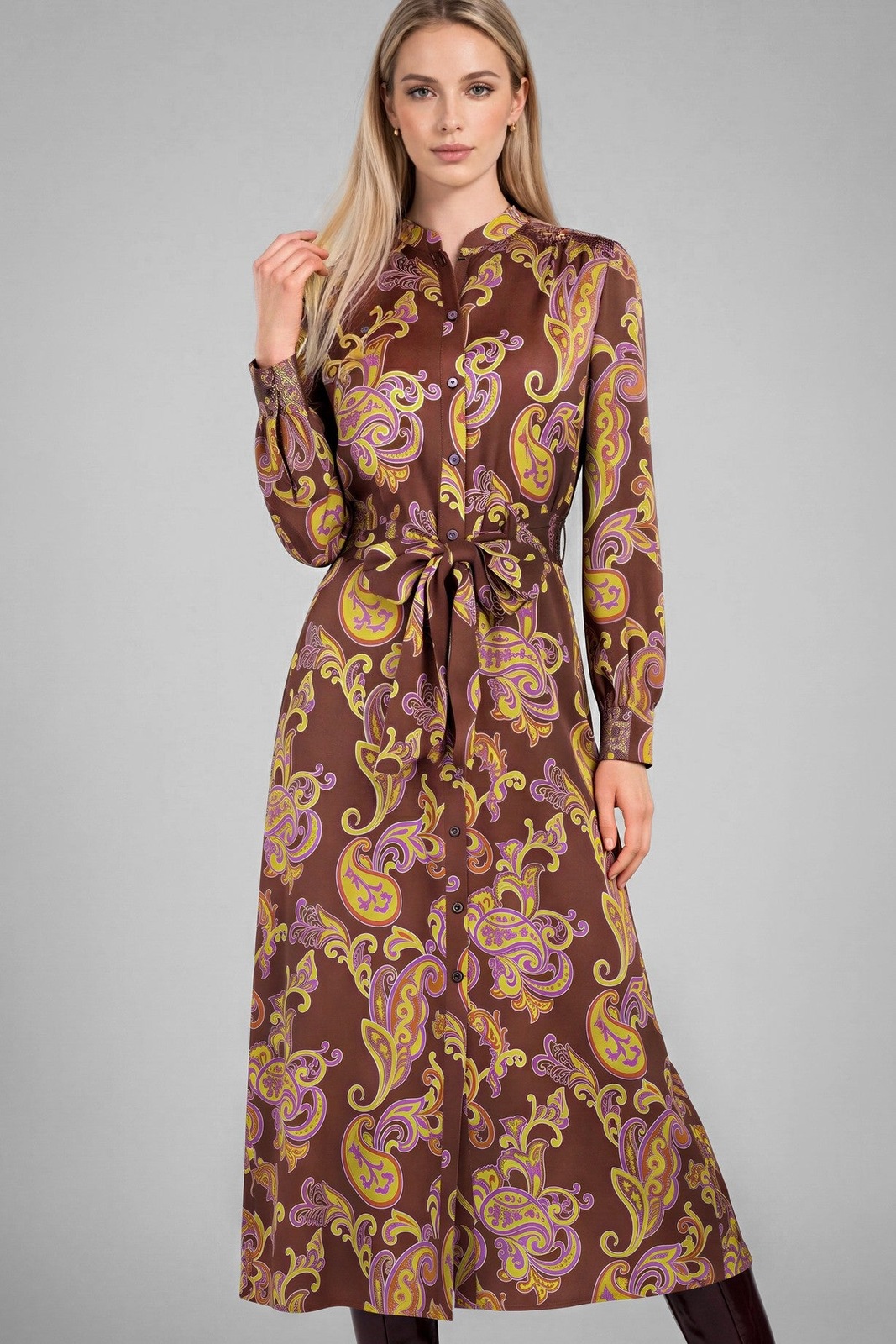
A shirt dress offers one route: one main piece, with the rest of the outfit built around it. Separates offer another. A top and trouser combination can be just as straightforward, especially when you already know the fit you like. Neither approach needs to be dressed up or down according to someone else's rules.
Choose one interesting line
An outfit does not need many statement pieces to have character. A collar, a sleeve shape, a belt, or a contrasting hem can be enough. Decide which line you want to notice, then keep the surrounding choices clear.
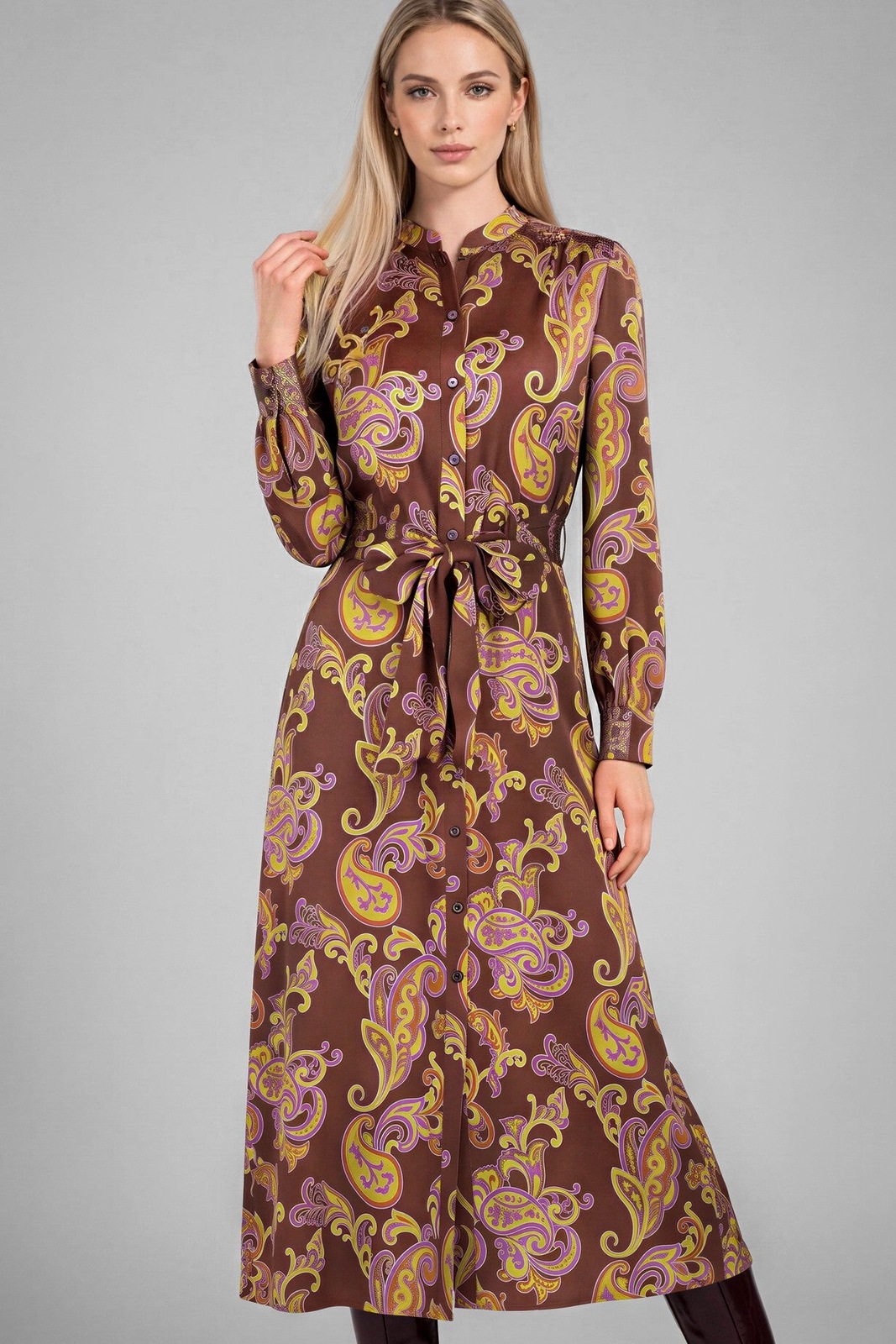
Explore the Belted Shirt Dress with Pockets as a starting point for proportion. Consider where you would want the waist to sit and how you would like the length to work with your shoes. Ask for the relevant measurements if they are not listed; the name of the garment cannot answer those fit questions.
Let a layer change the mood
An outer layer can transform a familiar combination without replacing the pieces underneath. Try a printed jacket over simple separates, or a plain layer over a dress with more pattern. The contrast can be in color, shape, or visual texture.
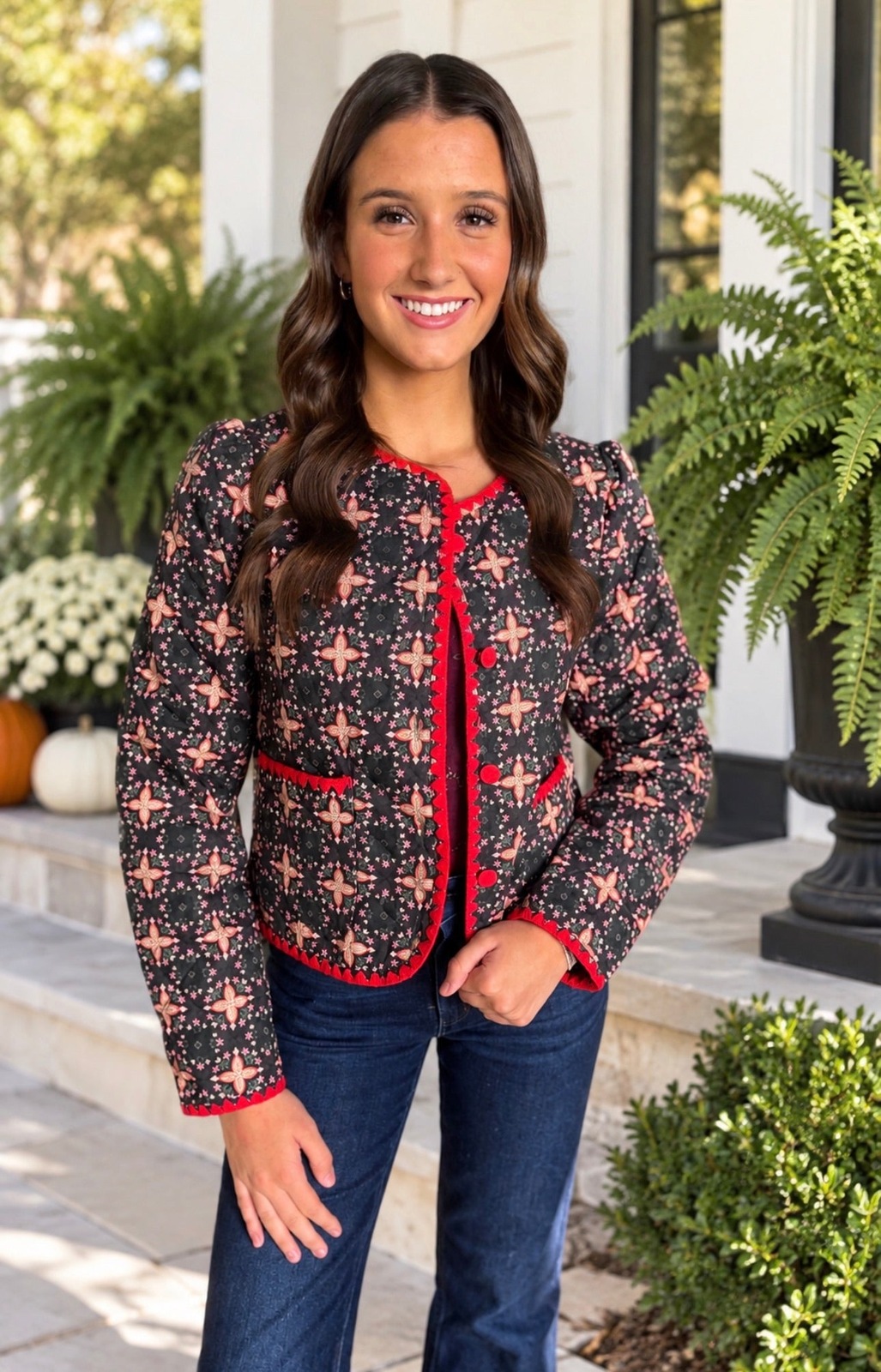
The Poppy Quilt Jacket gives you a printed option to explore. Imagine it with something uncomplicated from your own wardrobe before building an entirely new outfit around it. Check its listed material and fit information before assuming how warm, heavy, or roomy it will be.
Use the pieces you already trust
A familiar shoe or bag can make a new silhouette feel easier to wear. You do not need every part of an outfit to be new. Often, the best place to test an expressive piece is beside the items that already feel comfortable and recognizably yours.
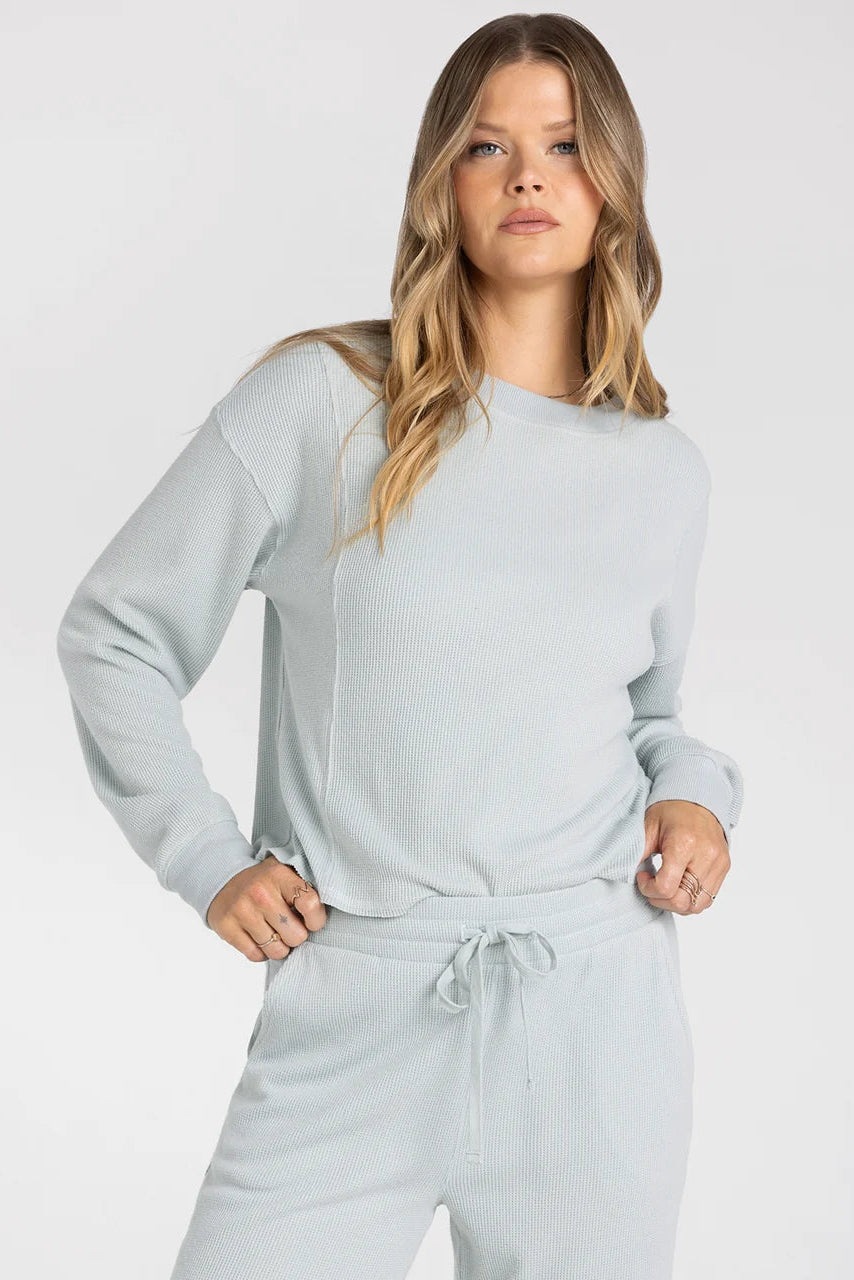
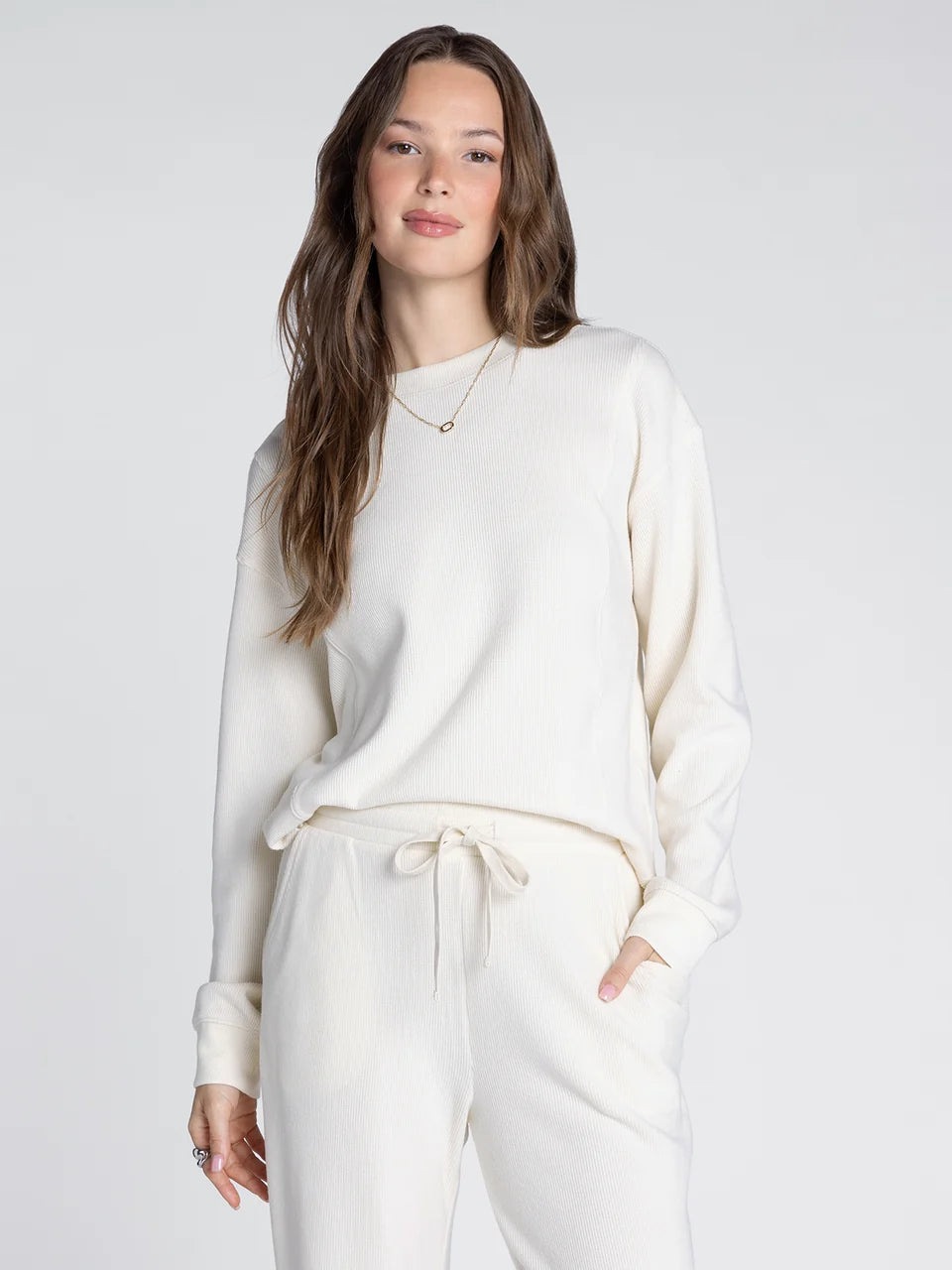
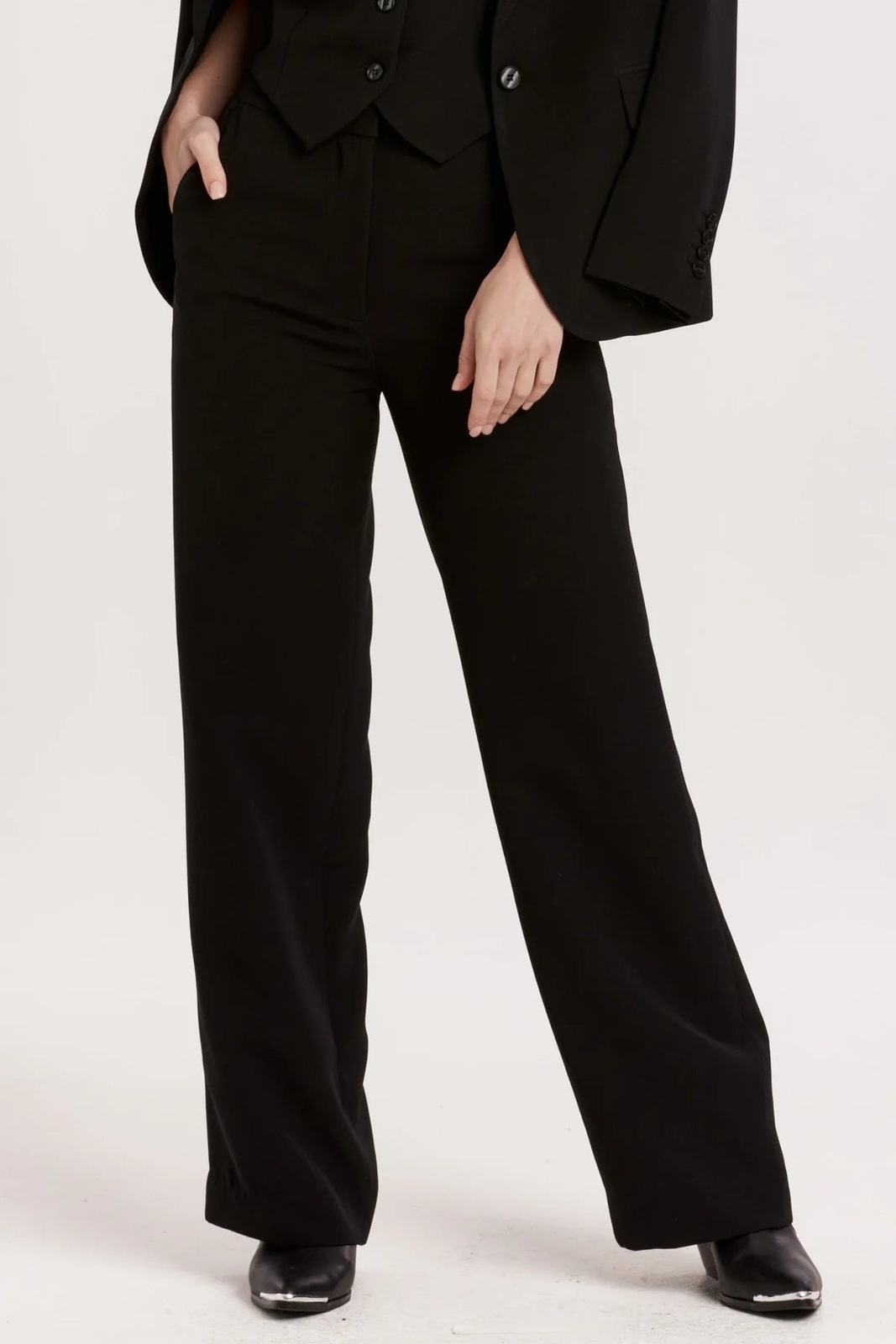
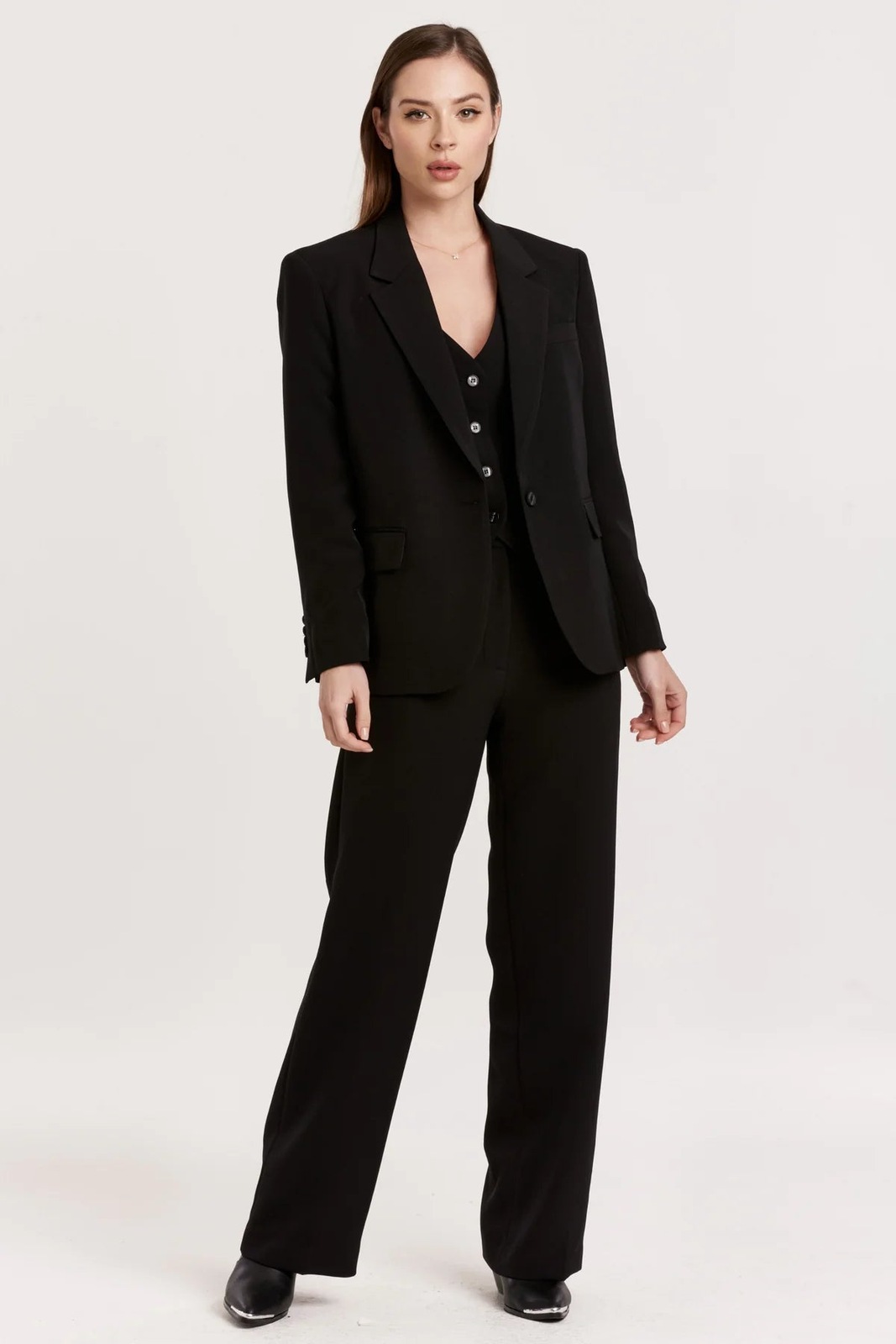
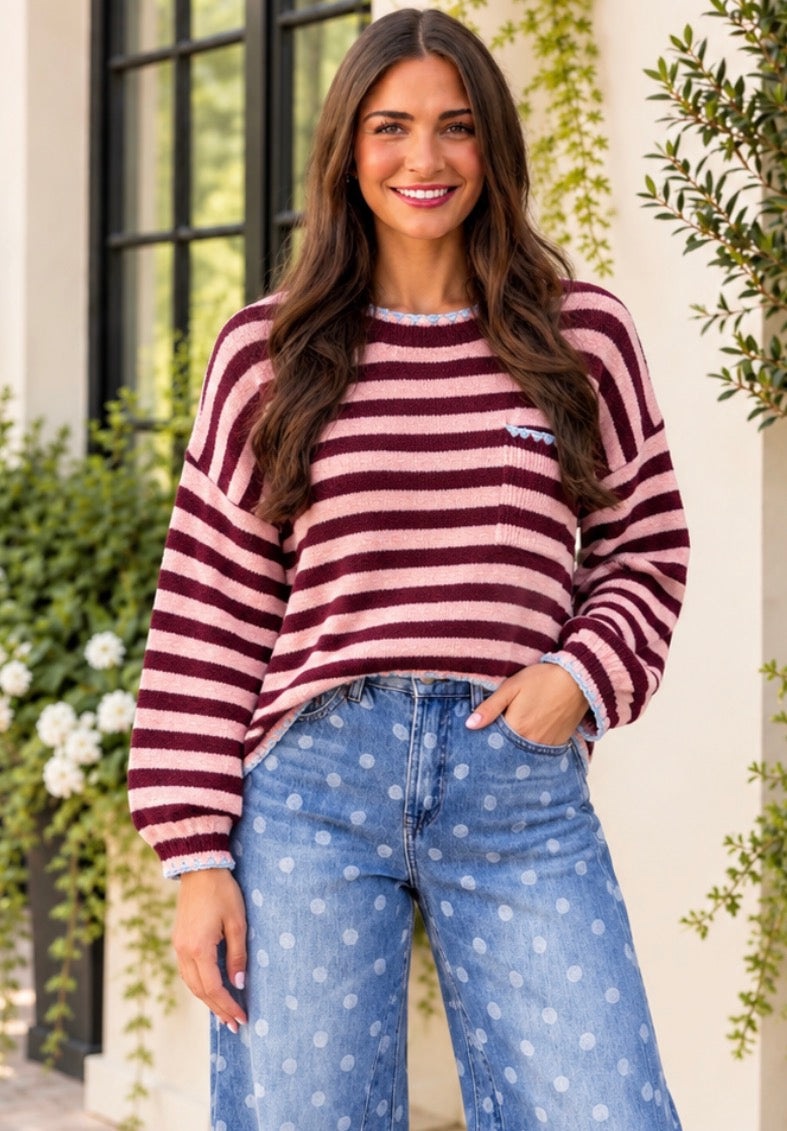
If you prefer separates, look at the Jeana Top and the black elastic-waist trousers as possible ingredients, not a prescribed outfit. Compare the actual options and confirmed measurements with the fit you enjoy. Then choose which one, if either, would add something useful to your existing wardrobe.
Finish with a small personal detail
A rolled sleeve, a familiar necklace, a color repeated in a bag, or the way you wear a belt can give an outfit its final note. The point is not to make it look more complicated. It is to keep the choices connected to the person wearing them.
Save the combinations that work for you. Next time, change just the layer or the shoe and see what happens. A good everyday formula leaves room for personality—and makes tomorrow's outfit a little easier to imagine.
All styling suggestions are optional. Check individual garment details and ask us to confirm fit, materials, and availability before choosing a piece.